Stari Grad, an ancient city on the island of Hvar (travel post)
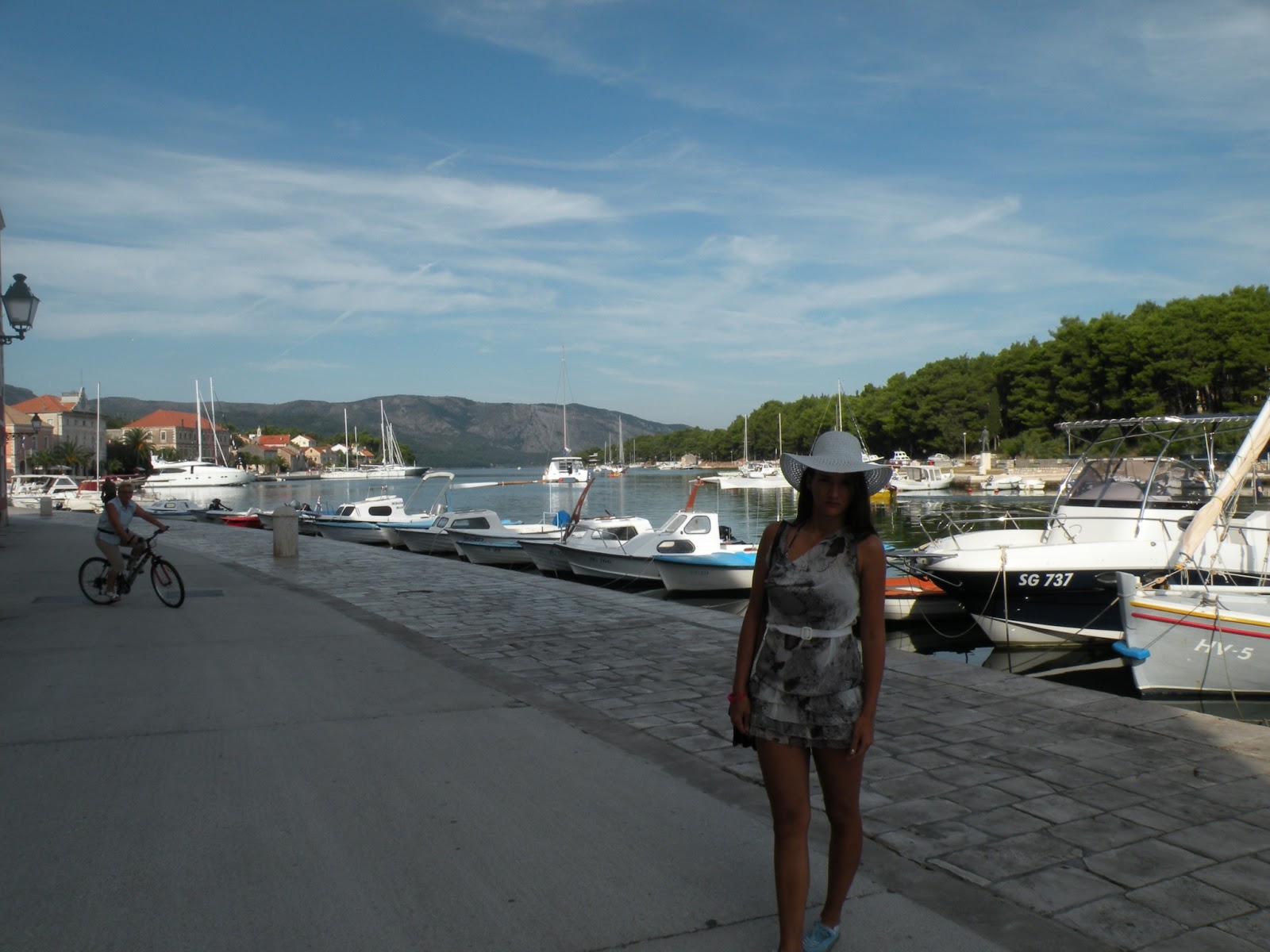


A sada na naški;) Starigrad na Hvaru je jedan od najstarijih gradova u Hrvatskoj, ali i jedan od najstarijih gradova u Europi, tako da je ime posve prigodno. Zaštićen je od strane UNESCO-a. Godina osnutka grada je 384 prije Krista, a osnovali su ga stari Grci koju su doplovili sa otoka Farosa, pa su i ime slično dali ovom gradu. (Etimologija Hvara i svih mjesta na njemu je jako zanimljiva, pisala sam više radova na tu temu, ali o tome neki drugi put. )
Grci naravno nisu prvi ljudi koji su tu živjeli, cijeli otok je poznat po nalazištima praljudi, pa je bilo naselja tu još u davnim vremenima (o kojima se tako malo zna), a zna se da su bila neolitička plemena čak od 3500 do 2500 godina prije Krista. No, Grci su prvi koji su službeno osnovali grad, prije njih su bila naselja. Stari Grci bili su poznati po svojim gradovima i kulturi. Koliko je tko poznat sa povješću Jadrana nije ni bitno, samo da ukratko kažem da su grad od Grka oteli Rimljani (Rimsko carstvo), a tijekom povijesti bio je često pod talijanskom (Mletačkom) vlašću. U šestanestom stoljeću napali su ga Turci dvaput, a u zadnjem napadu spaljen je dio grada. U naredna dva stoljeća taj se dio ponovo polako izgrađivao i grad napredovaše zbog trgovine morem.
Tako, grad ima jako zanimljivu povijest, a u svakom mediteranskom gradu ili mjestu na moru, ja uvijek imam taj neki osjećaj osjećaj povijesti i pitam se kakav im je bio život. Čitala sam povijesne izvore o tome kako su ove luke bile bogate kulturom i jezicima raznih naroda.
Outstanding Universal Value
Stari Grad Plain represents a comprehensive system of land use and agricultural colonisation by the Greeks, in the 4th century BC. Its land organisation system, based on geometrical parcels with dry stone wall boundaries (chora), is exemplary. This system was completed from the very first by a rainwater recovery system involving the use of tanks and gutters. This testimony is of Outstanding Universal Value.
The land parcel system set up by the Greek colonisers has been respected over later periods. Agricultural activity in the chora has been uninterrupted for 24 centuries up to the present day, and is mainly based on grapes and olives.
The ensemble today constitutes the cultural landscape of a fertile cultivated plain whose territorial organisation is that of the Greek colonisation.
Criterion (ii): The land parcel system, dating from the 4th century BC, of Stari Grad Plain bears witness to the dissemination of the Greek geometrical model for the dividing up of agricultural land in the Mediterranean world.
Criterion (iii): The agricultural plain of Stari Grad has remained in continuous use, with the same initial crops being produced, for 2400 years. This bears witness to its permanency and sustainability down the centuries.
Criterion (v): The agricultural plain of Stari Grad and its environment are an example of very ancient traditional human settlement, which is today under threat from modern economic development, particularly from rural depopulation and the abandonment of traditional farming practices.
The Greek cadastral system has been fully respected during the continuous agricultural use of the plain, based on the same crops. This system is today perfectly identifiable, and has changed very little. Stari Grad Plain forms an agricultural and land use ensemble of great integrity. The authenticity of the Greek land division system known as chora is clearly in evidence throughout the plain. The built structures of the stone walls are authentic, with the same basic dry stone wall materials being used and reused since the foundation by the Greeks.
The setting up of the management plan and of the authority in charge of its application should enable the carrying out of a thorough programme of archaeological excavations, the fostering of sustainable agricultural development in the chora and the control of urban and tourism development in the vicinity of the property, with all due care being taken to ensure that its Outstanding Universal Value is respected.

 |
| My art inspired by bay Lozna near Stari Grad |



I very like Stari Grad, Adria is very nice. Great weekend.
ReplyDeletehttp://www.fashiondenis.com
:)
Deleteslatkica :*
ReplyDeletehvala
DeleteIvana I love your travel pics and your travel posts!
ReplyDeleteBest Regards
Miss Margaret Cruzemark
http://margaretcruzemark.blogspot.com/
very very nice my dear!!:)
ReplyDeletewww.borsadimarypoppins.com
Città affascinante!
ReplyDeletehttp://namelessfashionblog.blogspot.it/
http://www.facebook.com/NamelessFashionBlog
grazie
DeleteDid I ever wrote here that I visited Croatia in 1998? This was my first and my last time there but when I look at your great pictures, dear Ivana, I think I should visit this wonderful Croatia again <3
ReplyDeleteWish you a wonderful Sunday!
xx from Bavaria, Rena
www.dressedwithsoul.blogspot.de
Divan post a ti si mi prezgodna :-)
ReplyDeleteuuu ejsu ovo stare slike ili je stvarno tako toplo? super slike i ja hocu na more :( :(
ReplyDeletestare, stare:)
Deletesure
ReplyDeleteE tu sam provela par nezaboravnih ljeta, sjetim ga se svako malo :)))
ReplyDeleteDivno li je,divno :)
ReplyDeleteLa Croazia è davvero un Paese meraviglioso! Grazie per aver condiviso foto e storia della Cittàvecchia :D
ReplyDeletehttp://lowbudget-lowcost.blogspot.it/2013/04/trend-show-your-socks.html
Sono d'accordo con Nico, ci fai scoprire posti meravigliosi del tuo Paese ed è un po' come essere lì con te! L'abito che indossi è stupendo!!! Caterina www.imieioutfit.blogspot.com
ReplyDeleteI have never been to stalingrad but this is a place I'definitely love to see!
ReplyDeleteDon't Call Me Fashion Blogger
Facebook
Bloglovin'
I miss even more sunny holiday!!
ReplyDeleteYou are cruel Ivana!
All the best
Best Dressed Poland
Jao, Hvar, tu sam bila sa 4 godine, ponečeg se i sećam :)
ReplyDeleteWhat a beautiful city!! I'm sure it's worth the visit!! ;-)
ReplyDeletexoxo
Patricia
http://misstoptenimage.blogspot.com